My day to day as a Product Designer, working in Toronto for a tech company that is revolutionizing the way we travel [not the real byline] has undergone significant change. Not entirely the way I would have expected, but that’s just how it goes sometimes.
This series that I am going to write is about bringing Atomic Design into a company that has just undergone some pretty big changes. It’s about alignment, collaboration, and the smooth-brained idiocracy that we all possess from time to time.
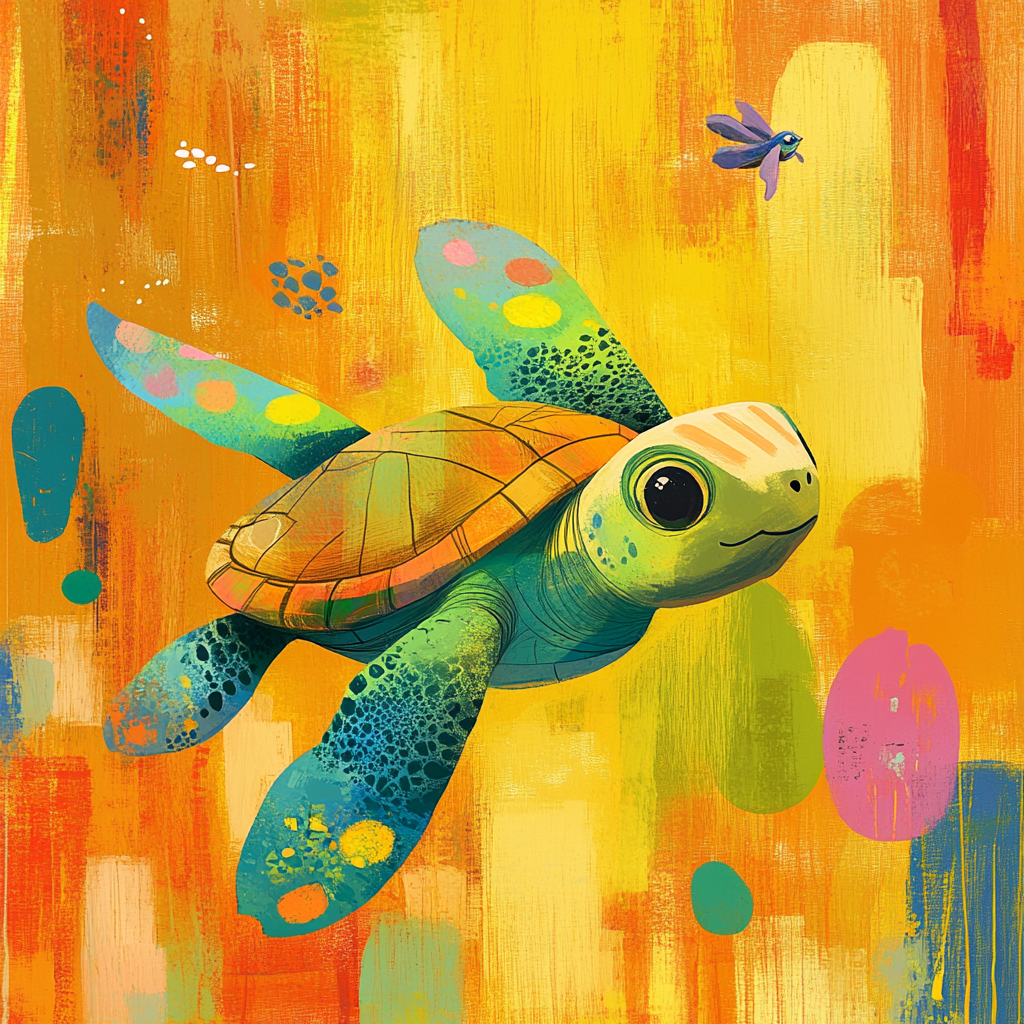
I’m starting off with a little background, a little “how did we get here?”. Besides, I need to start somewhere, so why not start with a big ugly failure. This first post is about the change from the traditional ‘make it beautiful’ approach to design, to the approach to design that demands a new education into project management, a copy of ‘how to speak developer’, and teaching a turtle to fly.
For those who want to know right away, Atomic Design is an approach to complex digital interfaces wherein every part can be broken down into standardized, and scalable parts. Much like the Ford Production Line for the early automobile.
It is a philosophical approach to design and production that requires alignment and agreement across several disciplines.
This is a feat many consider impossible.
At the beginning it was all ‘make this beautiful’, which translates to ‘make a hundred of these same looking things’. Honestly, that’s what most designers are asked to do. That was the beginning, the yellow brick road to my someday future of bigger and better design.
What changed? We grew. Our products needed to change and I was one of the eager designers handed the chisel and mallet to shape our future. While the first few strikes were invigorating and I felt incredibly proud of what I was creating, my entire team was blind to the challenge we would be taking on.
All of us assumed that the rest of the company would see the genius of what we had created, and that like Hephaestus forging the bolts of Zeus, we too would see a perfect creation. It would look better, make more money, and everyone would weep at it’s visage.
I’m sure that any of you who have embarked on creating new products already know what came next.
tldr; It sucked.
Like a turtle learning to fly, everything was wrong. We were embarrassed, putting out fires wherever we could, hanging ourselves on every branch. Any single thing you can think of went wrong. Colours – wrong. Spacing – wrong. Even the consistency of what text looked like on a screen – wrong. We were flabbergasted and wondering how this all happened. Where has all of our creative brilliance gone? Why oh why had this gone so sideways [we asked ourselves, but so did the company, and everyone else who found a useful scapegoat in our failure].
It came down to this one simple thing. One easy trick that everyone should use now and forever after.
step one: alignment.
Looking backwards, what we had not done was ensure that everyone was aligned with what we were trying to do. We made an assumption, that when we begun our work with project managers and engineers there would be more questions, more clarifications. We had a feeling that everything was going too smoothly to be true, but we had figured that our engineers were brilliant, that everything was smooth because everyone knew what was in our heads. We thought that if the engineering teams did not know something, they would ask questions about it.
life lesson: No one asks questions.
Since that launch, late 2021, we have been growing our skillsets. We have each learned the sacred arts of project management and team alignment. I personally have a green belt in jira-jutsu. What we discovered that we were lacking was the following:
- An atomic approach to our designs and design system [standardization, scalability, everything was custom]
- Documentation of our design system and all its working parts
- Refinement of our expectations with the engineers, wherein we break it all down and explain what we want built [and sometimes also argue about timelines]
- Testing of the results so that if something is wrong then we can catch it right away.
Plenty of you will say ‘well yeah, that’s obvious. why didn’t you do that before?’, to which I would respond ‘get off my back Irene’. We didn’t know. Up to this point, we had been acting as a mockup factory, churning out the same thing over and over again. We went from making spoons to making space ships, and we didn’t know what we didn’t know.
Yes I’m aware I have strayed off the path of Atomic Design, but I wanted to lay down some foundations for why I’m going to talk about Atomic Design at all. Even now it’s still not fully implemented. We have only just gotten alignment to take on Atomic Design.